
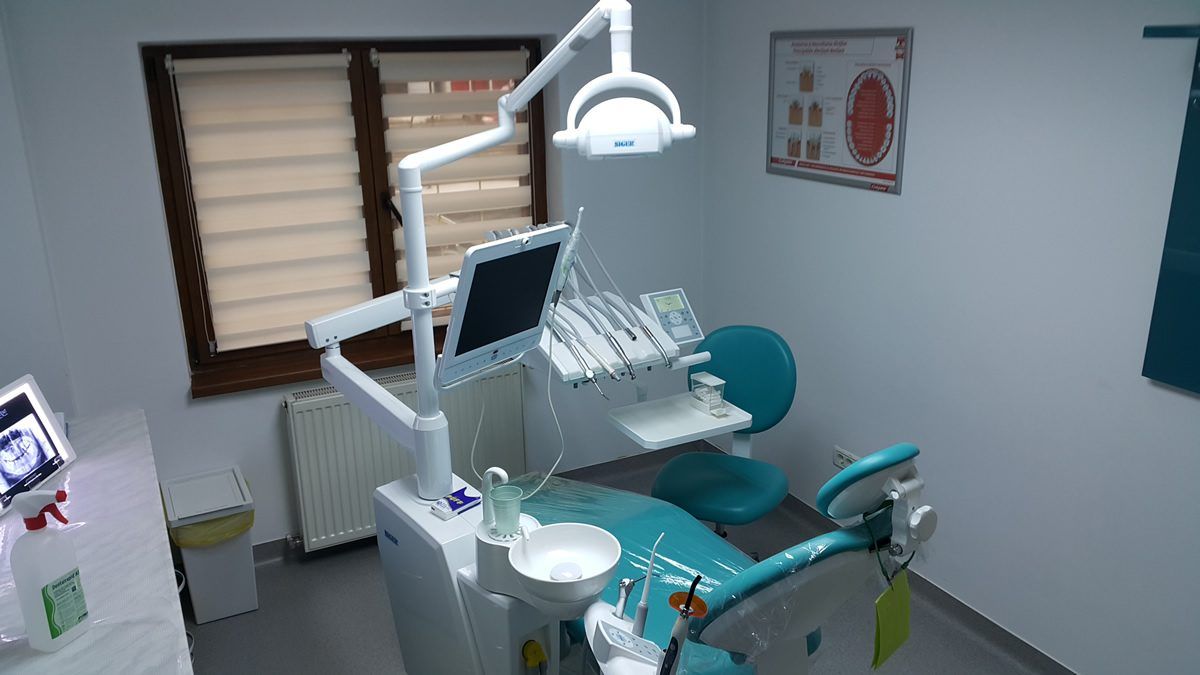
Preventive dentistry covers everything that helps you avoid tooth decay and gum disease: regular check-ups, professional cleaning at the clinic and good oral hygiene at home. We recommend a check-up and scaling every six months. That way, problems are found early, when treatment is simpler, quicker and more comfortable for you.
What does preventive dental care include?
Prevention is the part of dentistry that focuses on stopping problems before they need repairing. It includes:
- regular check-ups, where the dentist examines your teeth, gums and existing fillings;
- professional cleaning, meaning scaling and stain removal;
- sealing the deep grooves on back teeth, especially in children;
- personalised advice on brushing and diet.
How does tartar form, and why does it matter?
Food left on the teeth feeds bacteria, which form a soft, sticky film called plaque. If plaque isn’t brushed away, it hardens into tartar (calculus), a hard deposit that builds up both above and below the gum line. Once tartar has formed, you can’t remove it with a toothbrush.
Over time, plaque and tartar irritate the gums and cause gingivitis: red, swollen gums that bleed when you brush, often with bad breath. Left untreated, gingivitis can progress to periodontitis (gum disease): the bone around the teeth recedes, pockets form between gum and tooth, and teeth can become loose. Periodontitis is one of the main causes of tooth loss in adults.
What happens during a professional clean?
- Check-up. The dentist examines your teeth and gums and notes any areas that need attention.
- Ultrasonic scaling. Fine vibrations and a water spray loosen tartar from the teeth, including from just below the gum line.
- Air polishing. A jet of water, air and fine powder removes stains from coffee, tea or tobacco, including between the teeth.
- Professional brushing and polishing. The tooth surfaces are left smooth, so plaque sticks to them less easily.
- Home-care advice. We show you where plaque tends to build up in your mouth and how to brush more effectively.
A session usually takes 30 to 60 minutes. If the check-up reveals a cavity or a gum problem, we explain what treatment is needed and agree on a plan with you.
Why have a check-up every six months?
Small cavities and gingivitis don’t hurt at first, so you can have them without knowing. Regular check-ups catch them early, when they’re easier to treat. Tartar also builds up again gradually, even with good hygiene, and a clean every six months keeps it under control. For some people, such as those with gum disease, the dentist may recommend more frequent visits. Read more in our article on the six-month dental check-up.
What does good oral hygiene at home look like?
- Brush twice a day for two minutes with a fluoride toothpaste.
- Clean between your teeth every day with floss or interdental brushes.
- Replace your toothbrush about every three months, or sooner if the bristles are worn.
- Limit sugary snacks and acidic drinks between meals.
- Stop smoking: it raises the risk of gum disease and stains your teeth.
After a professional clean, your teeth return to their natural shade. If you’d like a brighter smile, you can ask your dentist about teeth whitening.
What is preventive care like at euDent in Brașov?
We’re a family clinic, so we look after prevention for adults and children alike. At every visit, we explain what we’ve noticed and what you can do at home, patiently and without rushing. If further treatment is needed, we agree on a plan together, including costs, before we begin.
Medically reviewed by Dr. Eugen Sculea