
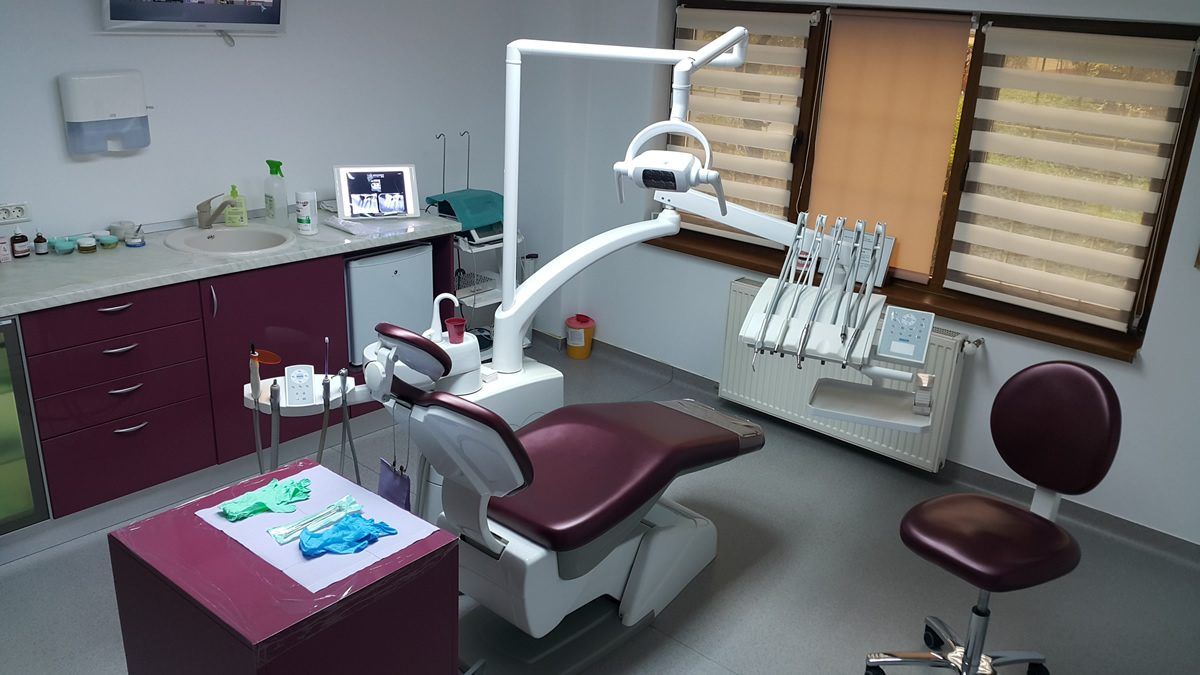
A dental check-up every six months, together with a professional clean, helps you catch tooth decay, tartar and gum problems before they start to hurt. Most of these problems cause no symptoms at first. Found early, they are usually simpler, quicker and more comfortable to treat. That is why at euDent we recommend a routine check-up twice a year.
Why every six months, and not just when something hurts?
Pain usually arrives late. A small cavity that is still in the enamel doesn’t hurt at all. Once it reaches the dentine, it may cause sensitivity to cold or sweet things. Only when it reaches the pulp, the soft tissue people often call “the nerve”, does real toothache start. By then treatment is more involved: a root canal instead of a simple filling, for example.
A six-month interval suits most people because it is short enough to catch problems at an early stage. It isn’t a fixed rule for everyone, though. If your gums bleed easily, you have a lot of dental work, wear braces, have diabetes or smoke, your dentist may suggest more frequent visits.
What happens to your teeth between check-ups?
Even with careful brushing, some areas are hard to reach: the gaps between teeth, the gum line and the inner surfaces of the lower front teeth. That is where plaque builds up, a soft, sticky film full of bacteria.
- Plaque that stays on the teeth gradually hardens into tartar, which a toothbrush can no longer remove.
- Tartar irritates the gums, causing redness, swelling and bleeding when you brush (gingivitis).
- Left untreated, the inflammation can progress to gum disease (periodontitis), which affects the bone around the teeth and can eventually make them loose.
- Bacteria in plaque also produce acids that weaken enamel and lead to cavities.
Gingivitis is usually reversible if it is treated in time, which is why regular professional cleaning matters as much as the examination itself.
What does the dentist check at a routine check-up?
A proper check-up is more than a quick look. At euDent, a routine visit generally goes like this:
- A short conversation. You tell us about anything new (sensitivity, bleeding, pain when chewing), any medication you take, general health conditions, and whether you are pregnant.
- Examining your teeth. We look for decay, cracks and wear, and check existing fillings, crowns and other dental work.
- Gums and soft tissues. We check your gums as well as your tongue, cheeks and palate. Any sore that doesn’t heal is worth investigating.
- Your bite. Unusual wear can be a sign that you clench or grind your teeth, often in your sleep.
- X-rays, only when needed. Some cavities between the teeth and problems at the root tip can’t be seen with the naked eye, so we may recommend an X-ray.
- The plan. If we find something that needs treatment, we explain your options clearly and choose the treatment plan together with you.
What does a professional clean involve?
A routine check-up usually goes hand in hand with a professional clean. It generally includes:
- scaling – removing tartar from the teeth and along the gum line, usually with an ultrasonic scaler;
- stain removal – lifting stains left by coffee, tea or smoking, for example with air polishing, a fine jet of water, air and powder;
- professional brushing and polishing – leaving the tooth surface smooth so plaque finds it harder to stick.
Done properly, scaling does not damage your enamel. Your teeth may feel a little more sensitive for a few days afterwards, especially where tartar used to cover the gum, and this usually settles on its own. If the sensitivity doesn’t go away, our article on teeth sensitive to cold or sweets explains what can help.
What does a good home routine look like between visits?
Check-ups work best alongside good daily care:
- Brush twice a day for two minutes with a fluoride toothpaste.
- Clean between your teeth every day with floss or interdental brushes.
- Use a soft toothbrush and gentle movements; aggressive brushing can make the gums recede.
- Cut down on sugary snacks and acidic drinks between meals.
- Replace your toothbrush every 3–4 months, or sooner if the bristles are worn.
If you smoke, let us know. Smoking raises the risk of gum disease and can hide one of its first warning signs, bleeding gums.
Do children need a check-up every six months too?
Yes. Baby teeth have thinner enamel, so decay can progress faster. At check-ups we also follow how the permanent teeth are coming through and, where it makes sense, recommend dental sealants, a simple way to protect the grooves of the back teeth. Regular, pain-free visits help children get used to the dental chair, and after their visit our young patients can leave a message on their own board in the clinic. If your child’s first visit is coming up, read how to prepare for it.
Which signs shouldn’t wait for your next check-up?
Don’t wait for your scheduled visit if you notice:
- gums that often bleed when you brush or look swollen;
- sensitivity to cold, heat or sweet things that doesn’t go away;
- a lost filling, a chipped tooth or dental work that feels loose;
- bad breath that persists;
- a tooth that seems to move;
- a sore, patch or lump in your mouth that hasn’t healed within about two weeks.
When should you call the dentist straight away?
Some situations shouldn’t wait: severe pain that won’t ease, swelling of the gum or face, fever together with toothache, or a tooth broken or knocked out by a blow. At euDent we see dental emergencies every day from 09:00 to 21:00, without an appointment. Please call us first on 0747 353 415 so we can get ready for you. If swelling makes it hard to breathe or swallow, call 112 or go straight to the nearest hospital emergency department.
Haven’t seen a dentist in a while? Where to start
Don’t worry, and don’t feel embarrassed: many patients come to us after a long break. At your first visit to our clinic in Brașov we start with a consultation, explain what we see and what your options are, and choose the treatment plan together, beginning with what matters most for your health. We take our time and use techniques designed to keep treatment as painless as possible, especially for anxious patients. Once everything is taken care of, your six-month check-up usually becomes a simple, routine visit.
Frequently asked questions
Do I need a check-up if nothing hurts?
Yes. Small cavities, tartar and gum inflammation usually cause no pain in the early stages. Regular check-ups find them before they start to hurt, when treatment is generally simpler.
Does scaling hurt?
Usually not. You may feel vibration and some mild sensitivity, especially if your gums are inflamed. If your teeth are sensitive, tell us at the start: we can work more gently and use a local anaesthetic if needed.
Can I have a check-up while pregnant?
Yes. Check-ups and professional cleaning are generally safe during pregnancy, and gums tend to become inflamed more easily at this time. Let us know you are pregnant so we can adapt the examination and any treatment.
How much does a dental check-up cost?
The cost is confirmed at your consultation. If we find something that needs treatment, you receive a treatment plan with all the costs before anything is started.
The information in this article is general and does not replace a consultation with a dentist. For a diagnosis and a treatment plan that suits you, book a consultation.