
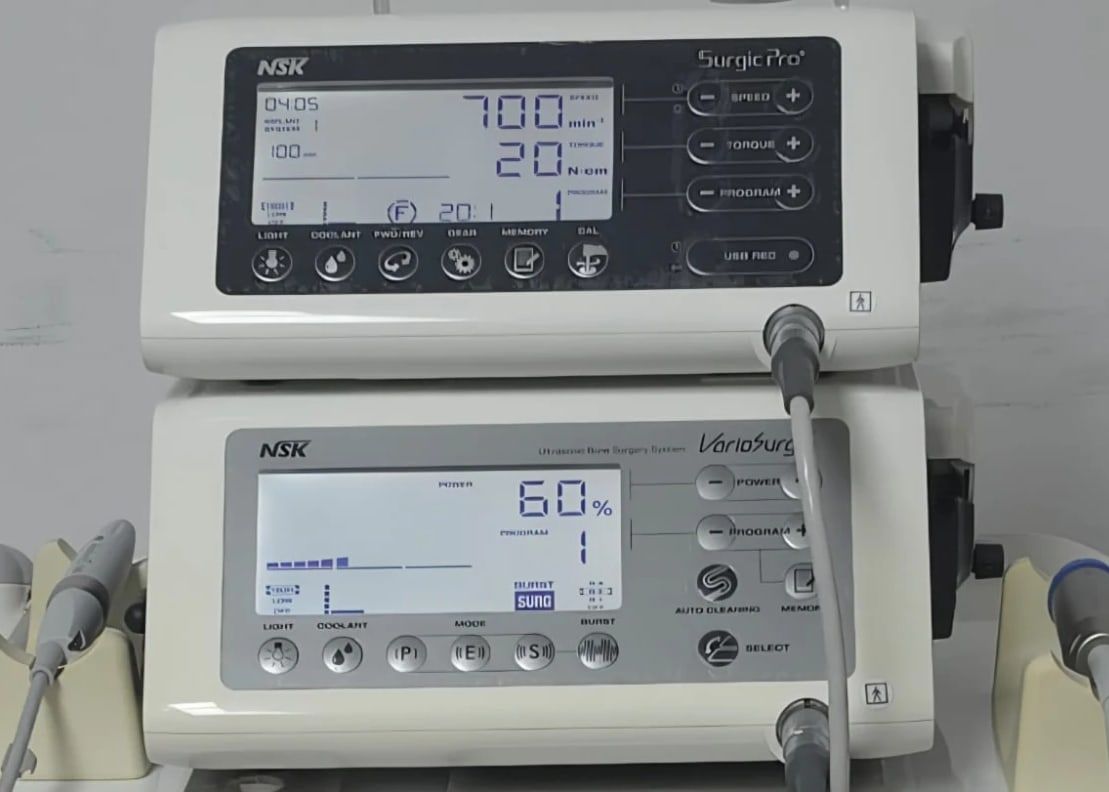
Oral surgery is the branch of dentistry that deals with procedures on the teeth, gums and jawbone, and the most common of these is tooth extraction. At euDent in Brașov, we only recommend removing a tooth when it can no longer be saved by any other treatment. Every procedure is done under local anaesthesia, after a consultation where we explain why it’s needed and what comes next.
When does a tooth need to be extracted?
Our first aim is always to keep your natural tooth. Extraction becomes an option when treatment no longer has a realistic chance of success, for example when there is:
- a tooth so badly damaged by decay that it can’t be rebuilt with a filling or a crown;
- a fractured root;
- severe looseness caused by gum disease;
- a wisdom tooth that doesn’t have room to come through properly or keeps becoming inflamed;
- an orthodontic reason, when space is needed to straighten the other teeth.
What other oral surgery procedures are there?
Oral surgery also includes procedures that help save a tooth. One example is an apicectomy (root-end surgery): when an infection or cyst at the tip of the root doesn’t heal after root canal treatment, the dentist can surgically remove the root tip together with the affected tissue.
Surgery is also closely linked to implant treatment. Dr. Eugen Sculea has training in implantology and in bone augmentation, the techniques used to rebuild the bone volume needed for a dental implant.
What happens during a procedure at euDent?
- Consultation. The dentist examines the area, goes through your medical history and, if needed, recommends an X-ray.
- Treatment plan. We explain why the procedure is necessary, what the alternatives are and how the tooth could be replaced, if relevant.
- Local anaesthesia. The area is fully numbed before we begin.
- The procedure. The dentist works gently, and you can signal at any time if you need a break.
- Follow-up. You get clear aftercare advice and, where needed, we book a check-up visit.
Tell your dentist about any medication you take, especially blood thinners, and whether you have conditions such as diabetes or are pregnant. This information matters for your safety.
How should you look after yourself after an extraction?
The first few days make a real difference to healing. The usual advice is:
- keep biting on the gauze pad for about 30 minutes;
- don’t eat or drink anything hot until the anaesthetic has fully worn off;
- for the first 24 hours, avoid rinsing hard, smoking and drinking through a straw, so you don’t dislodge the blood clot that protects the socket;
- if there is swelling, hold a cold compress against your cheek, with breaks;
- stick to soft food and chew on the other side for a few days;
- keep brushing, taking care around the treated area.
When should you contact the dentist urgently?
Light bleeding and moderate discomfort are normal in the first few days. Get in touch, though, if the bleeding won’t stop, the pain gets worse after 2–3 days, or you develop a fever or swelling that keeps increasing. Dental emergencies are seen every day from 09:00 to 21:00 without an appointment: call 0747 353 415 first. Our guide on what to do in a dental emergency has more practical tips.
How can you replace an extracted tooth?
Leaving a gap can, over time, cause the teeth next to it to tilt, make chewing harder and lead to bone loss in that area. That’s why we discuss replacement options from the very first consultation: an implant, a bridge or a denture, depending on your situation. You can read more about these on our crowns, bridges and dentures page.
Medically reviewed by Dr. Eugen Sculea